For international visitors
Nagaoka Zenjuku
Residential Zen Center in Nagaokakyo, Kyoto
About Nagaoka Zenjuku
Nagaoka Zenjuku was founded in 1939 in Nagaokakyo, Kyoto — an area rich in nature, history, and culture, located less than 30 minutes from central Kyoto.
Nagaoka Zenjuku is not a temple and does not belong to any Buddhist sect. It was established as a unique Zen training institution with a clear purpose: to cultivate character through Zen and nurture individuals who can contribute to society.
Unlike traditional monasteries that focus on training Zen priests, Nagaoka Zenjuku welcomes students, working adults, and Zen practitioners from overseas who are sincerely exploring Zen. It is Japan’s first Zen juku (academy) dedicated to human formation through Zen practice within everyday life.
Our Mission
To refine one’s character through Zen practice
and cultivate the strength to contribute to society.
Nagaoka Zenjuku was established to support the human formation of students and working adults — not to train Zen priests, but to foster individuals grounded in discipline, self-awareness, and social responsibility. Through zazen and daily life rooted in Zen, Nagaoka Zenjuku nurtures people who can act thoughtfully and responsibly within society.
Our History
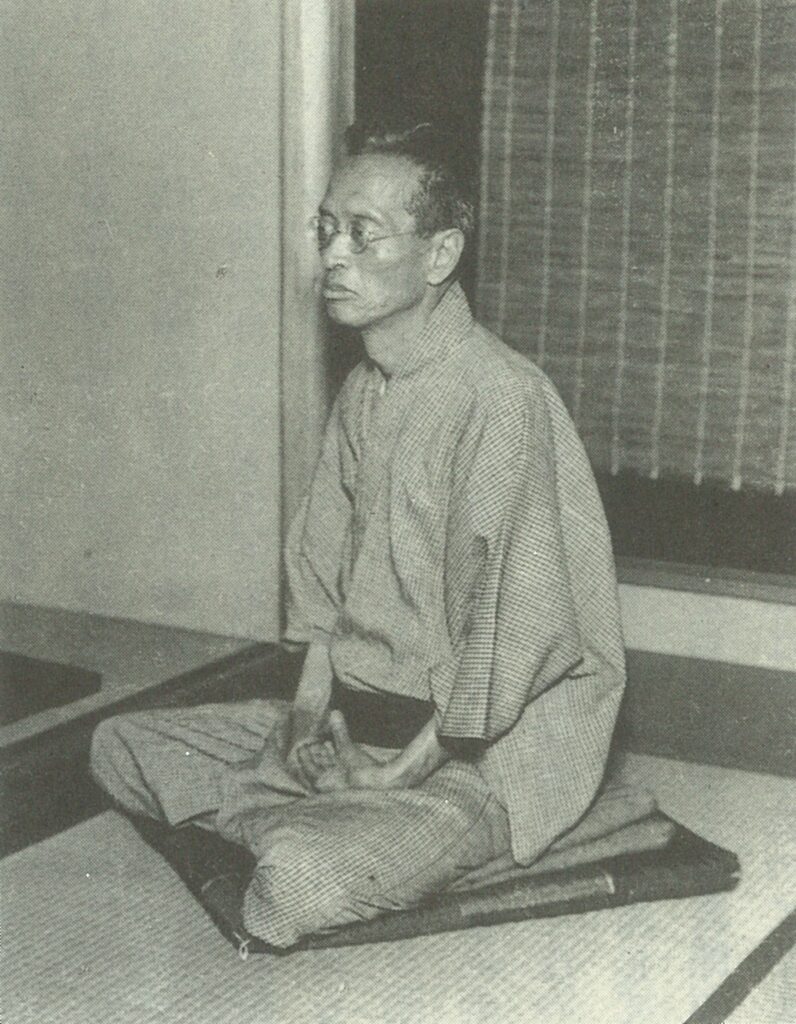
Nagaoka Zenjuku was founded by Katsujiro Iwai (1862–1935), a prominent Japanese entrepreneur and the founder of Iwai Shoten, the predecessor of today’s Sojitz Corporation.
Through his experience in business and society, Iwai became convinced that true social contribution requires a strong spiritual foundation. He turned to Zen as the core of human cultivation and envisioned a place where people could refine their character through practice and apply it directly to life in society.
In the original founding statement (1935), the mission was clearly articulated:
To establish a place of Mahayana Zen practice, cultivate individuals who embody this path, awaken the hearts of society, and provide an open place for those from around the world who sincerely wish to pursue Zen.
This vision continues to guide Nagaoka Zenjuku today.
Facilities and Environment
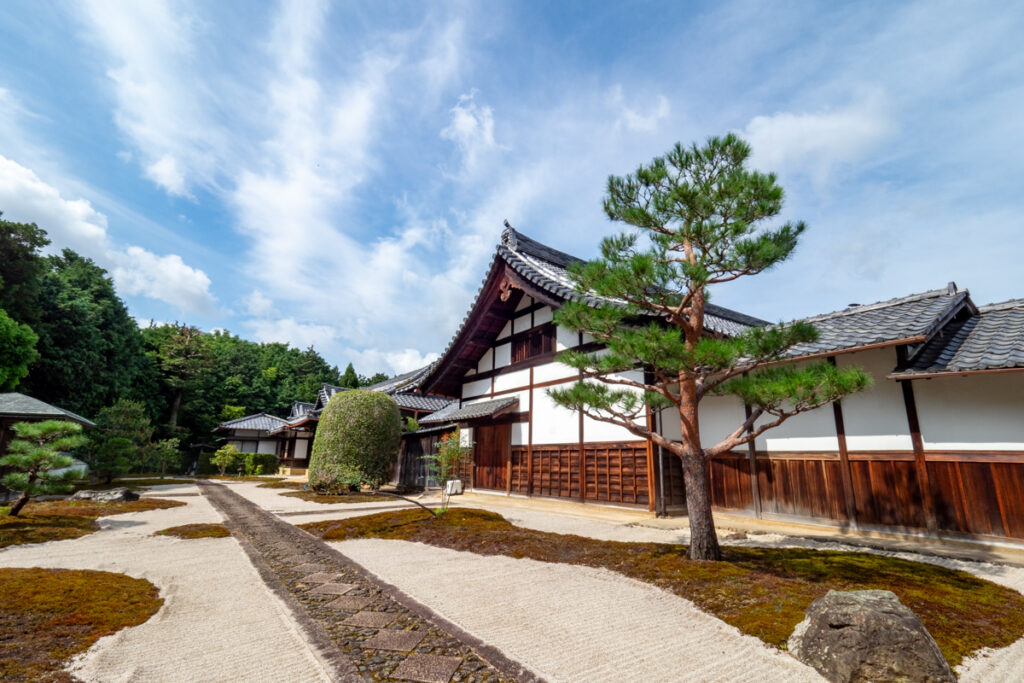
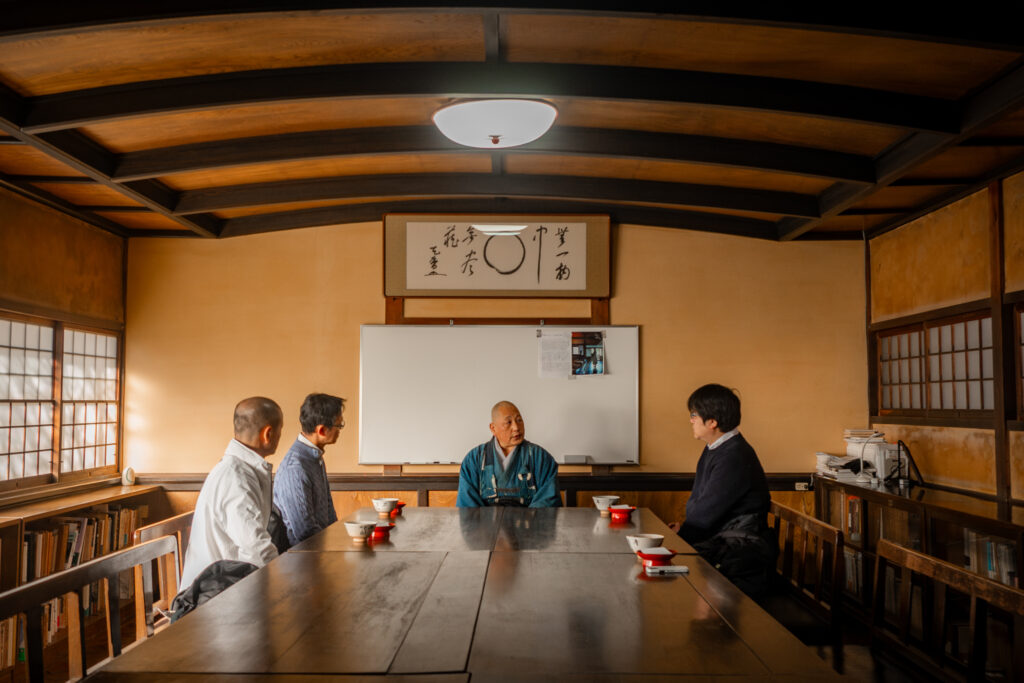
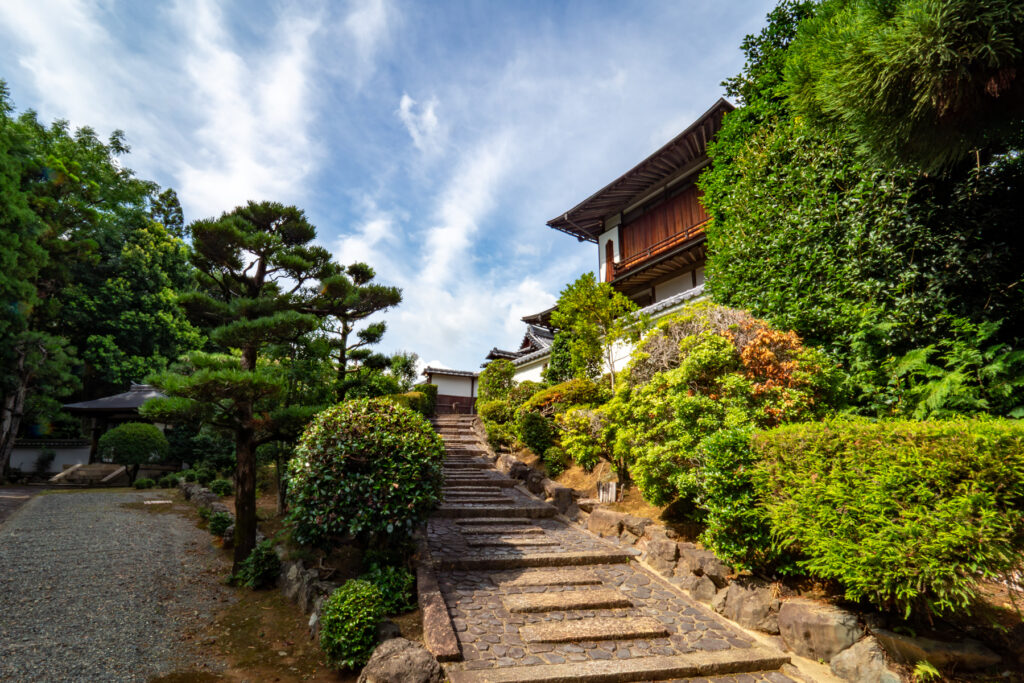
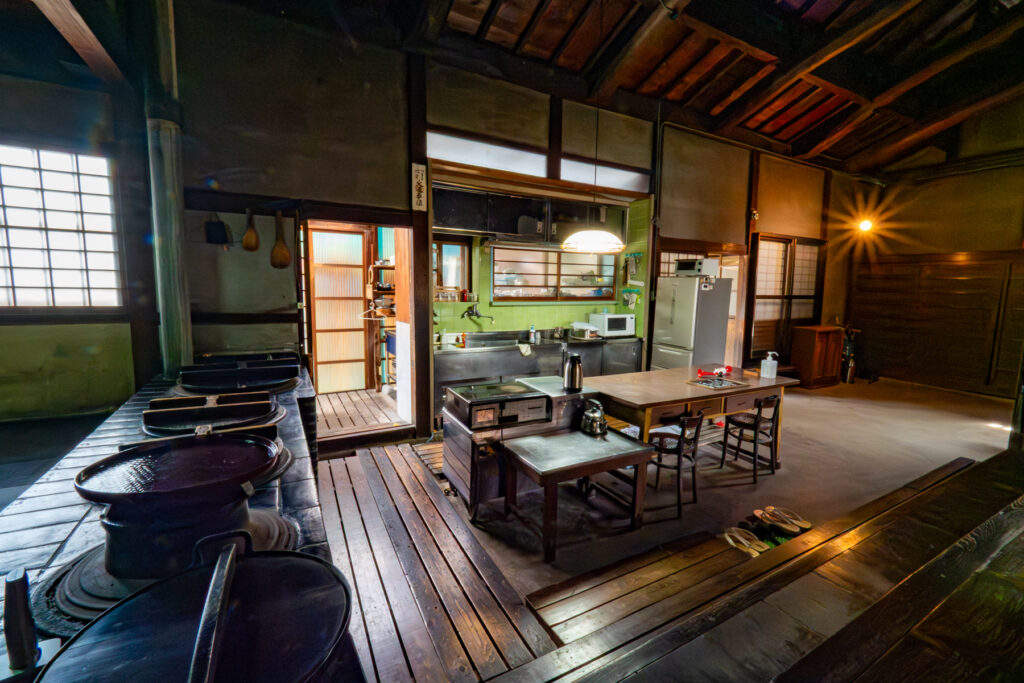
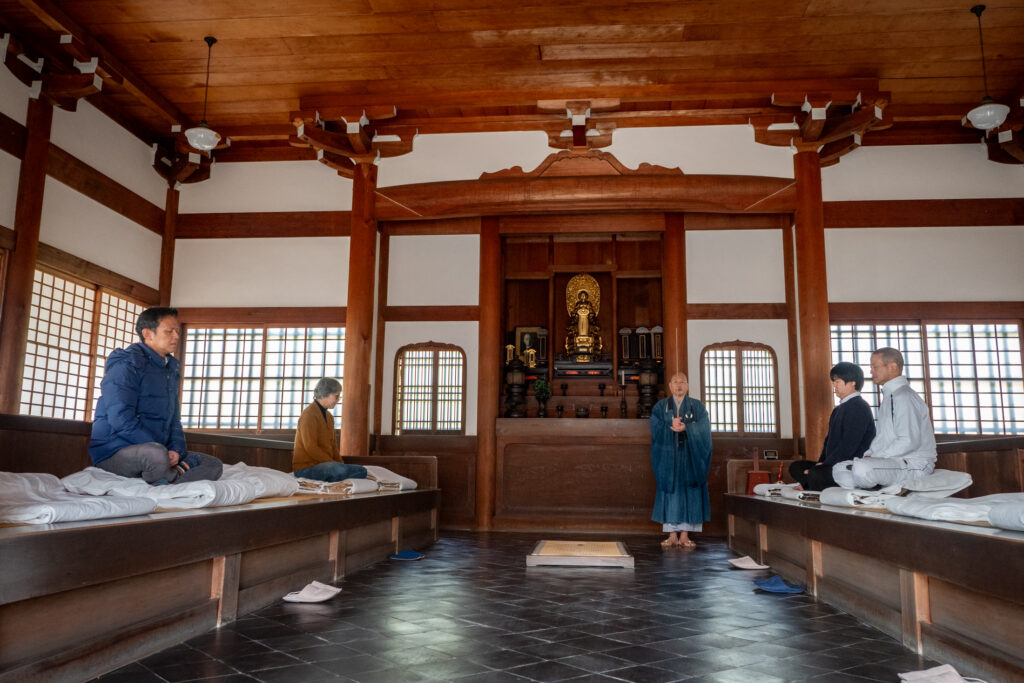
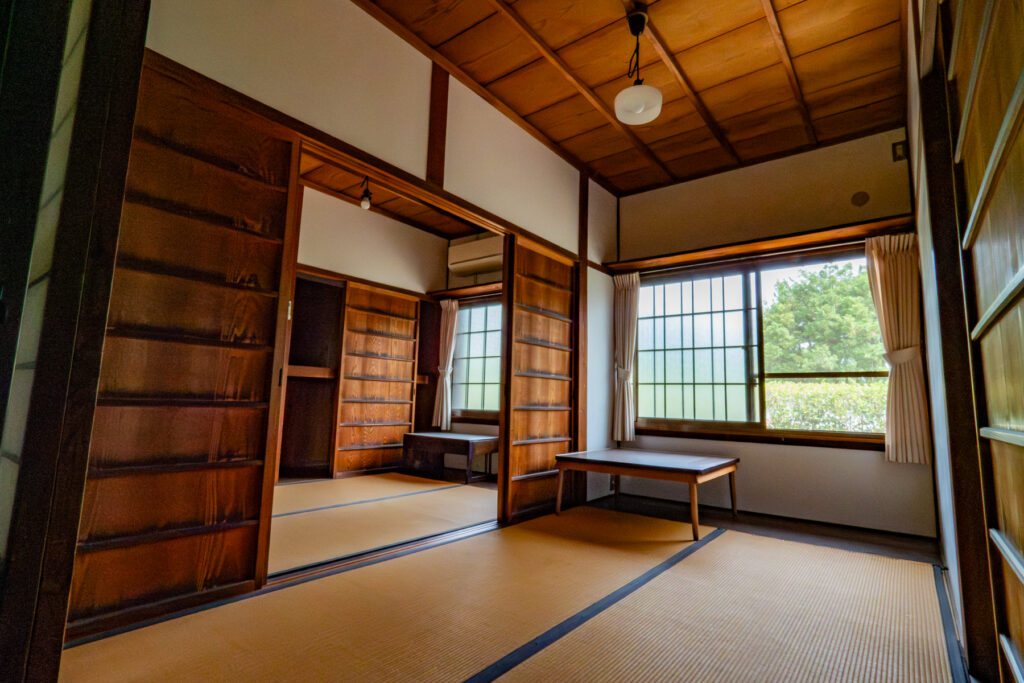
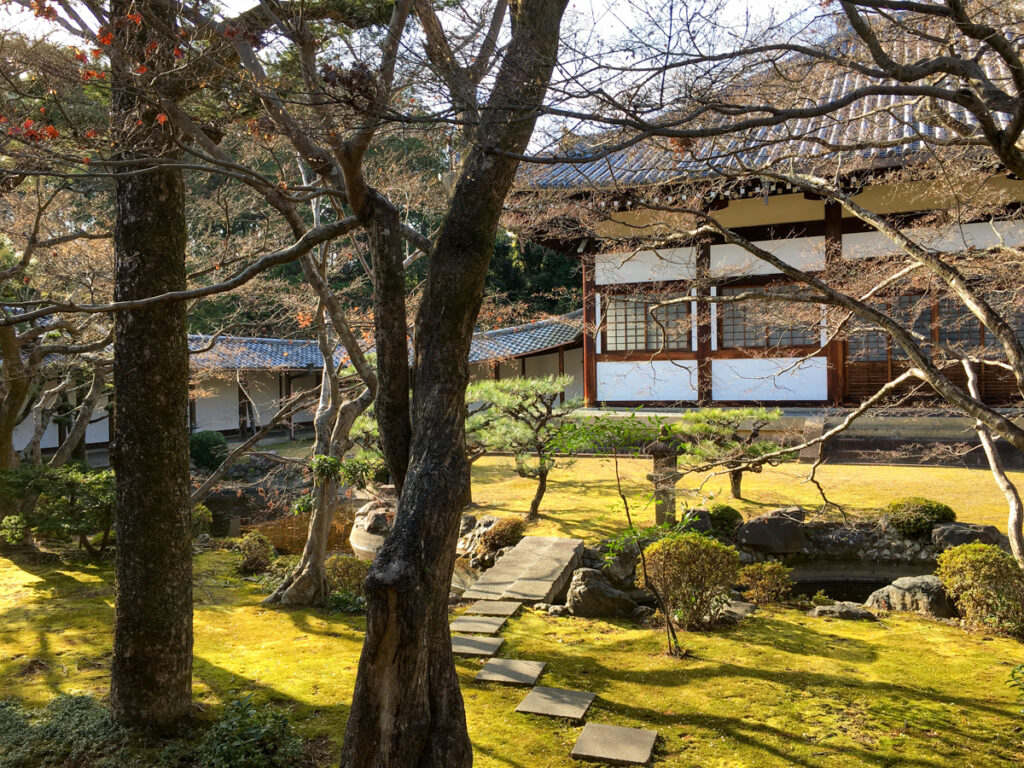
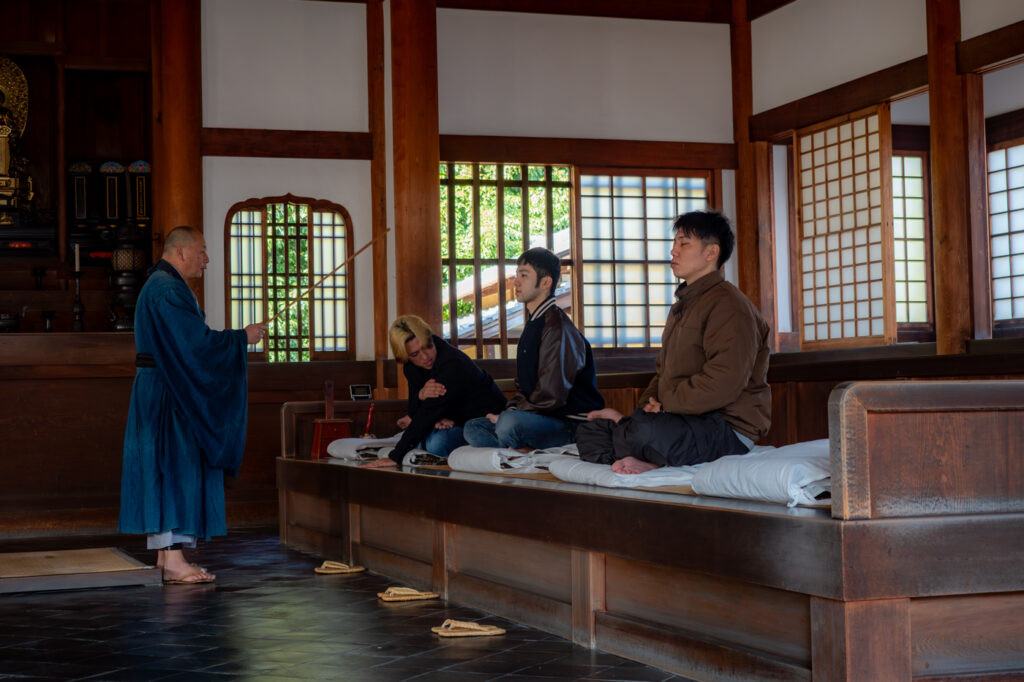
Nagaoka Zenjuku is a traditional Zen training ground housed in wooden buildings dating back to the early Showa period. The facilities include a formal zendo, residential quarters with private rooms, a dining hall and kitchen, study spaces, and inner courtyards.
Surrounded by the greenery of Nagaoka Tenmangu Shrine, the Zenjuku offers a calm environment shaped by the changing seasons. Despite its quiet setting, it is located close to the city, allowing practice to remain connected to everyday life.
This combination of historic architecture, modest but functional facilities, and a natural setting forms the foundation that supports Zen practice and human formation at Nagaoka Zenjuku.
What We Do
Long term Residential Zen Life
The core of Nagaoka Zenjuku is its long-term residential program, mainly for university students. Participants stay for several weeks to several months while continuing their studies or daily responsibilities.
Residents live together in a disciplined communal environment based on Zen principles, integrating Zen practice into ordinary life rather than separating it from study or work.
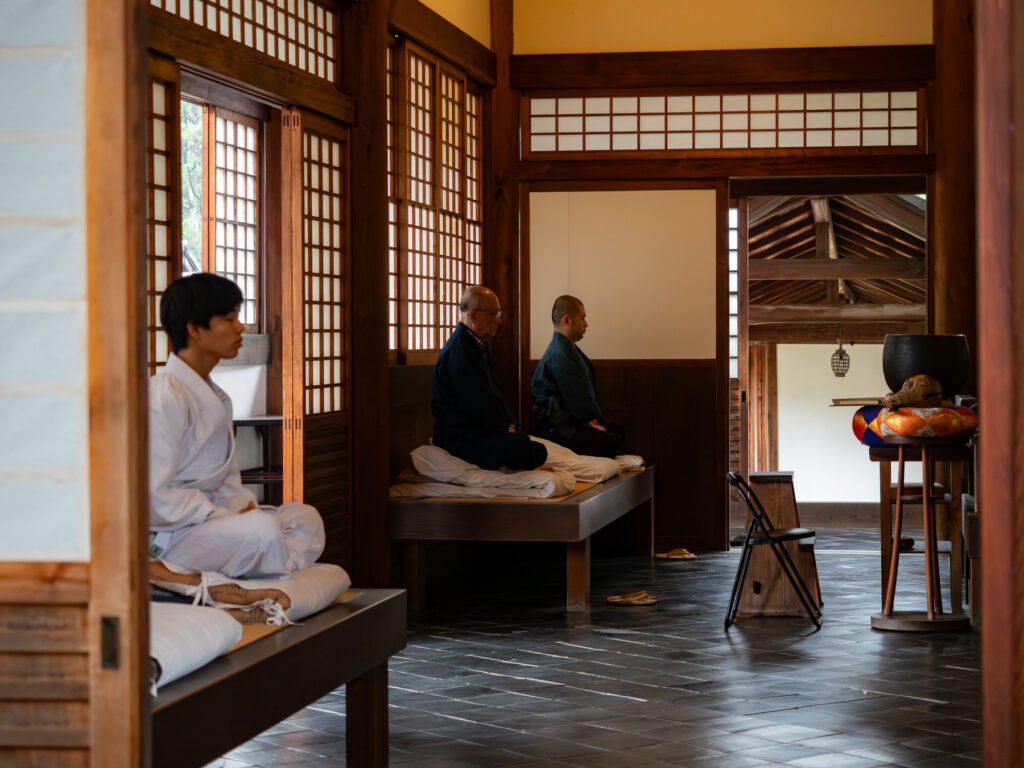
An experienced head instructor, with many years of training as an unsui (Zen monk), resides on-site and provides guidance in zazen (seated meditation) and samu (cleaning and maintenance). This guidance is not forced or rigid; participants are expected to engage with Zen through their own interest and initiative. Nagaoka Zenjuku is not a fixed, retreat-style program, but a form of practice rooted in daily life.
Through this way of life, participants cultivate self-discipline, cooperation, humility, and responsibility.
* Please note that Nagaoka Zenjuku is a traditional training center, not a temple lodging (shukubo) or a tourist facility. Residential participation is dedicated to those who are genuinely interested in Zen and are committed to participating in all aspects of daily life, including samu (mindful work) and disciplined practice.
Short term Zen Practice Experiences
In addition to residential training, Nagaoka Zenjuku regularly holds:
This sessions are open to both Japanese and international visitors, including Zen beginners and anyone with a sincere interest in Zazen.
*We do not accept short-term stays for just a few days, unless you are participating in the trial stay events.
Practice and Daily Life
Life at Nagaoka Zenjuku is not about comfort or retreat from society. It is a place to cultivate independence, responsibility, and clarity of mind within a simple and disciplined environment.
Rather than pursuing convenience or luxury, the Zenjuku provides only what is necessary for daily life. Within this minimal setting, residents are encouraged to think for themselves, take responsibility for their actions, and harmonize Zen practice with study, work, and social life.
Residents follow a daily rhythm that includes:
- Zazen (seated meditation): Quietly sitting to settle the mind and observe oneself
- Chanting (sutra recitation): Reciting Buddhist texts together to cultivate gratitude and attentiveness
- Samu (work practice): Cleaning, cooking, and caring for the grounds as an essential part of Zen training
Private rooms and daily meals are provided, but facilities are intentionally modest. Each resident is expected to maintain their own space and fulfill shared responsibilities. Through communal living, practitioners naturally develop self-discipline, cooperation, and consideration for others.
Zen manners and forms — such as sitting posture, walking, and etiquette — are carefully taught after arrival by senior residents and instructors. Even those with no prior Zen experience can begin practice with confidence.
Daily Schedule (Weekdays)
The daily rhythm at Nagaoka Zenjuku is simple and consistent, designed to support Zen practice alongside study and work.
- Early Morning: Morning bell, zazen, chanting, and Zazen
- Morning: Communal breakfast followed by samu (cleaning and daily work)
- Daytime: University classes, research, work, or personal study
- Evening: Communal dinner and evening Zazen
- Night: Closing chant, rest, and lights out
Residents must return by curfew, even if working or studying outside.
Who This Place Is For
Nagaoka Zenjuku is not for everyone — and that is intentional.
This place may be meaningful for you if:
- You are interested in Japanese religious history, philosophy, or East Asian thought
- You have been exploring Zen or Buddhism and wish to practice in an authentic environment in Japan
- You are a student, researcher, or professional seeking serious Zen practice without leaving everyday responsibilities behind
Many international participants are drawn to Nagaoka Zenjuku because it offers a rare balance: serious Zen practice within an open and realistic living environment.
If you are looking for a place where Zen practice can coexist with study, work, and life in society, Nagaoka Zenjuku may be the right place for you.
Application
How to Apply
Please review the admission guidelines on the official website. If you agree with the purpose, rules, and way of life at Nagaoka Zenjuku, please submit your application through the online entry form.
All applications are reviewed carefully to ensure that applicants understand the rules and communal life at the Zenjuku.
Fees
- JPY 50,000 per month
Important Notes
- Nagaoka Zenjuku is NOT a sightseeing or tourism facility, nor is it a temple lodging (shukubo). Participation for purely touristic purposes is not permitted.
- Applicants must have a genuine interest in Zen, be willing to engage in samu (daily work practice) and disciplined daily life, and plan to stay for at least one month.
- Daily communication at the Zenjuku is primarily conducted in JAPANESE. A basic level of Japanese comprehension is required.
- Even if you do not speak fluent Japanese, you are welcome to apply if you are eager to improve your Japanese during your stay. Written communication before arrival can be conducted in English. Please note, however, that this center is not ideal if you wish to rely solely on English or are seeking lectures in English.
Access
Nagaoka Zenjuku is located in Nagaokakyo City, Kyoto Prefecture.
- Less than 30 minutes from central Kyoto.
- Easily accessible from Osaka and the Kansai area
This location allows participants to practice Zen in a quiet environment while remaining closely connected to major urban centers.
Contact
For inquiries regarding participation, residential programs, or visits, please contact us through following form.
Advance contact is required for all visits and participation.